





CHOOSE POISON SPIDER IF YOU WANT:
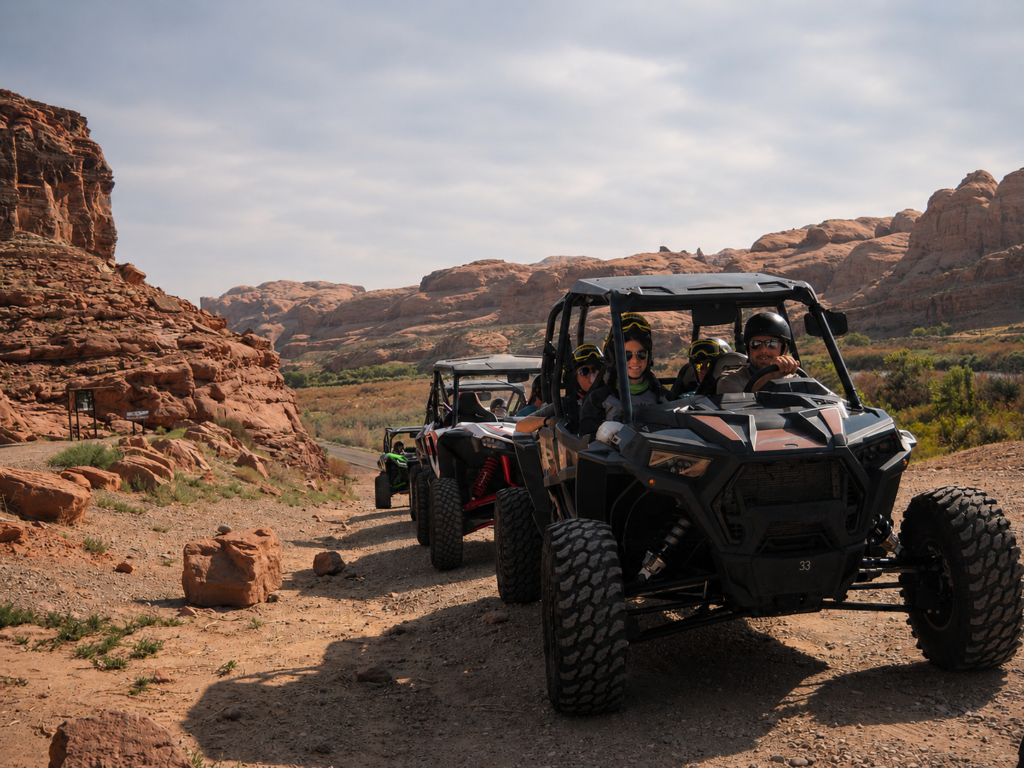
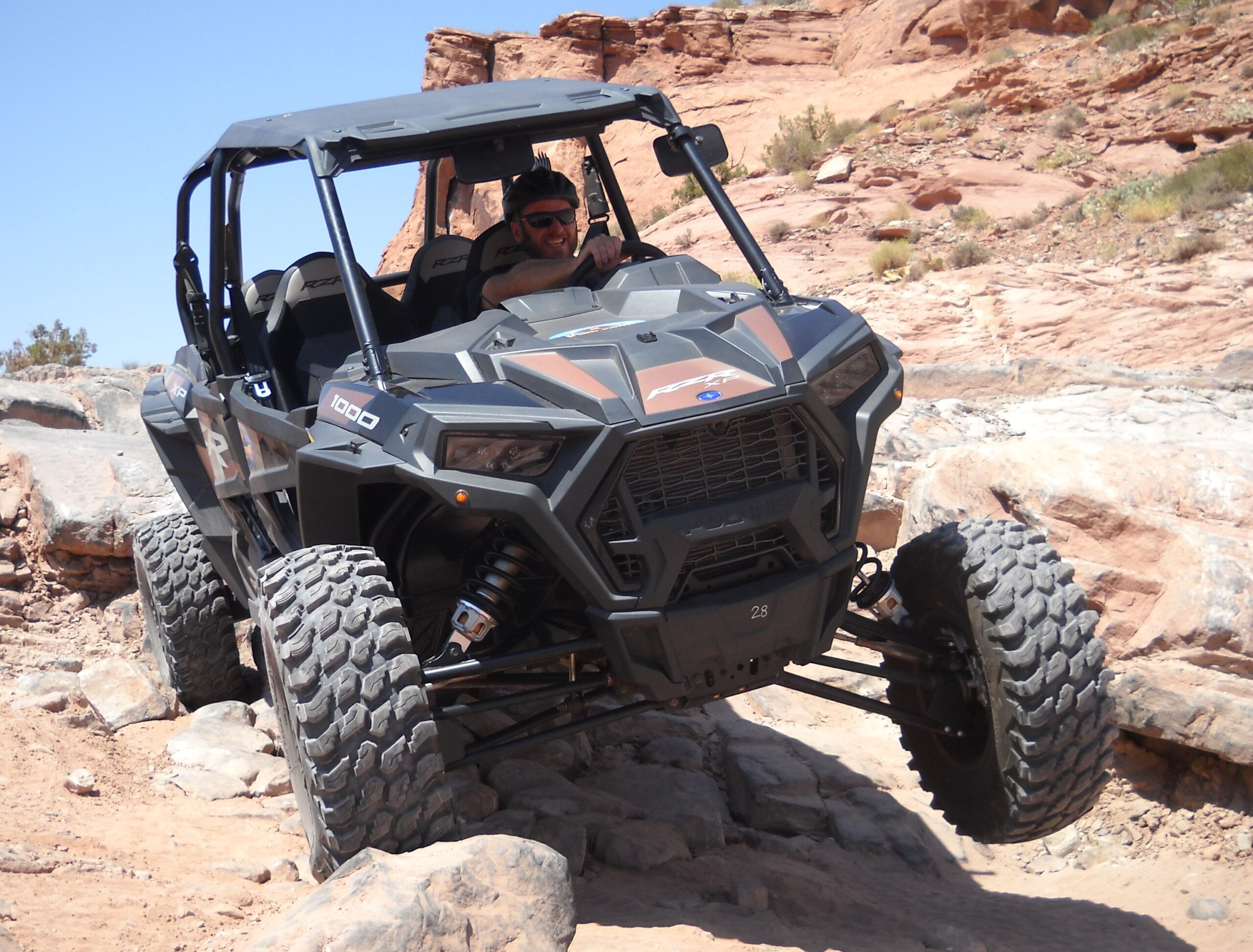
- Moab's most technical guided UTV tour
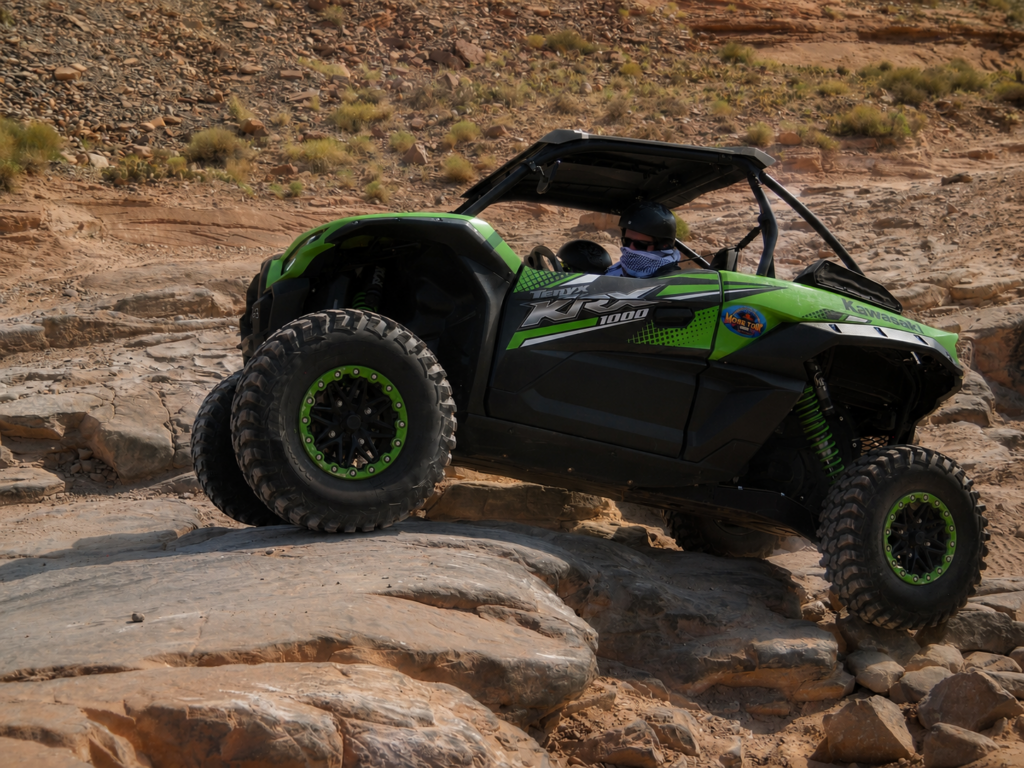
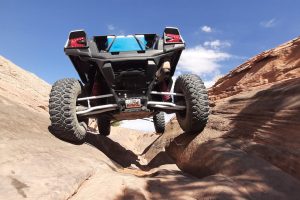
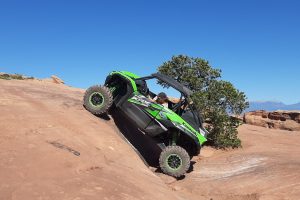
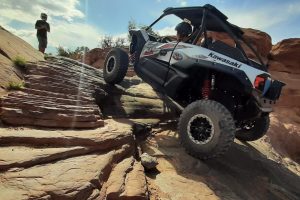
- Steep slickrock climbs and descents
- Exciting rock ledges and obstacles
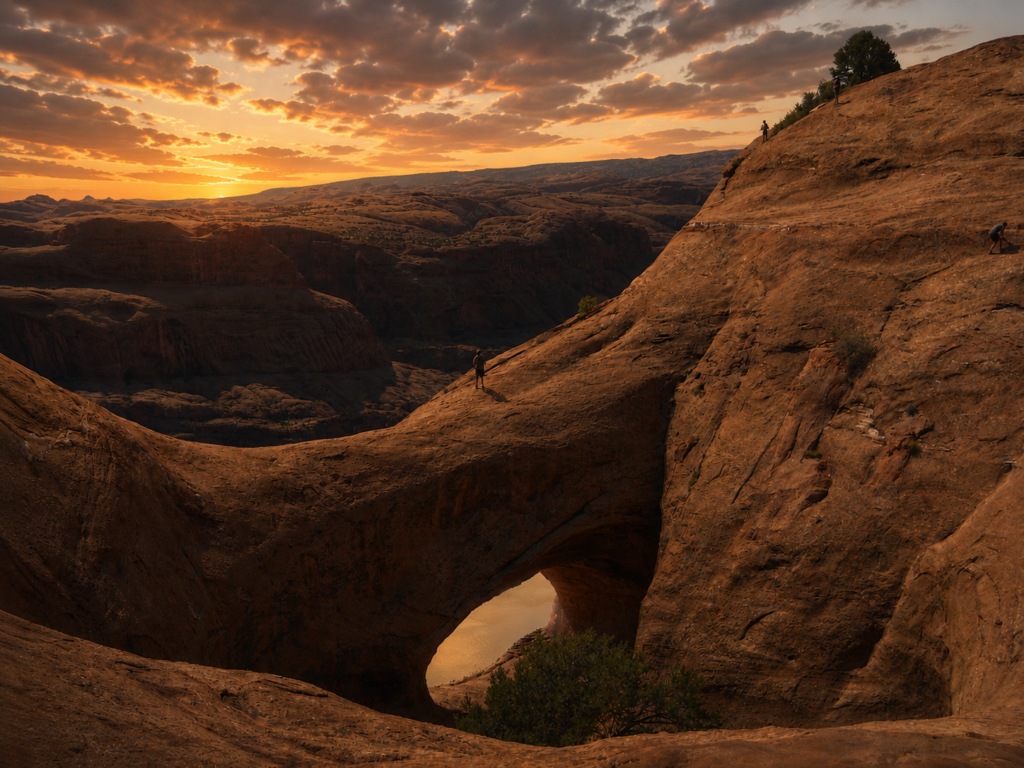
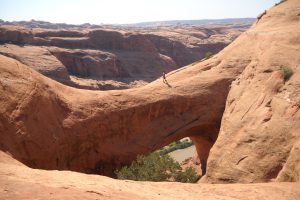
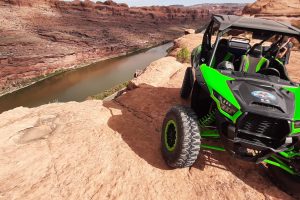
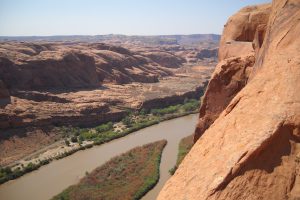
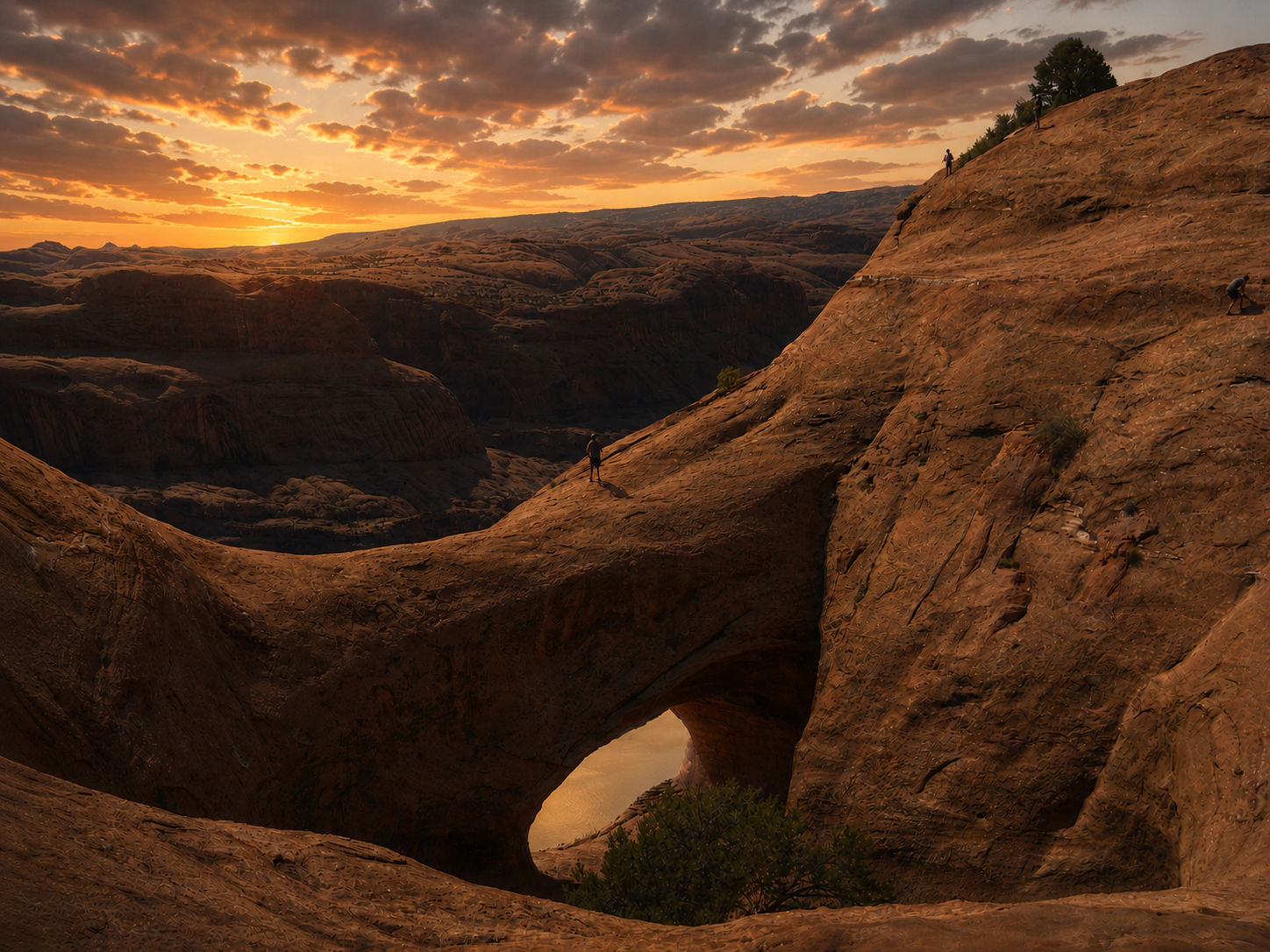
- Incredible Colorado River overlooks
- A true off-road driving challenge
- Professional guides every step
- One of Moab's most iconic 4x4 trails
- An unforgettable bucket-list adventure
LOOKING FOR A THRILLING WARM-UP FIRST?
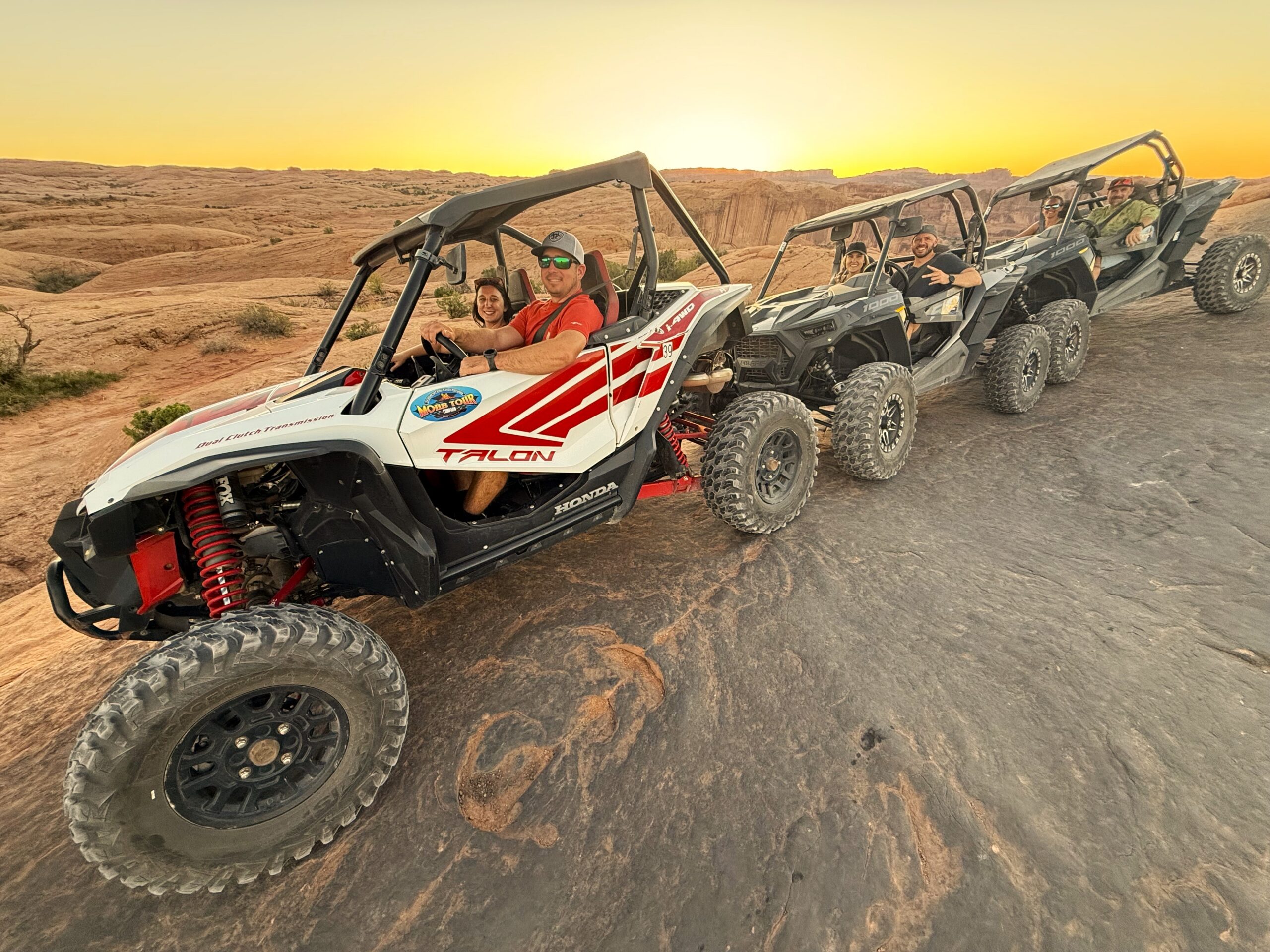
- Experience Moab's two most famous trails
- Fun slickrock driving
- Amazing panoramic views
- Moderate obstacles
- Great introduction before Poison Spider
WANT AMAZING SCENERY INSTEAD?
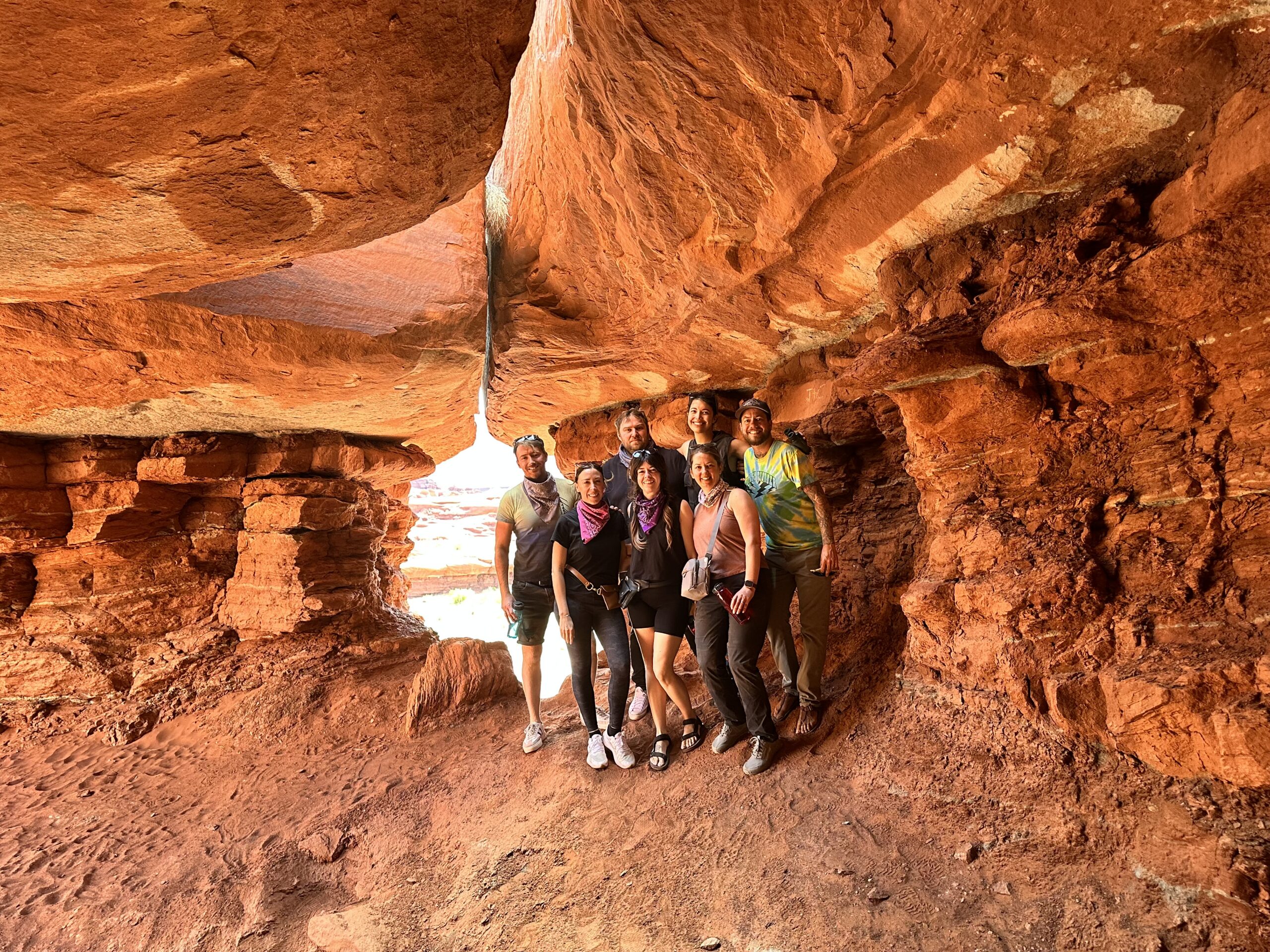
- Hidden sandstone caves
- Hurrah Pass
- Ancient petroglyphs
- Colorado River views
- Family-friendly adventure
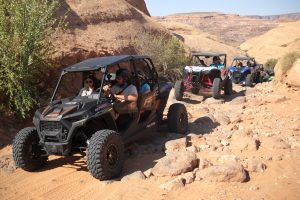
GUESTS LOVE THE POISON SPIDER TOUR
★★★★★
Poison Spider Mesa was the highlight of our Moab vacation. The obstacles were exciting, the scenery was unbelievable, and our guide made the experience unforgettable.
— Jason R.
Google
★★★★★
The overlook of the Colorado River, Moab Valley, and La Sal Mountains was absolutely breathtaking. Worth every minute!
— Sarah M.
Tripadvisor
★★★★★
This tour has everything—slickrock driving, incredible views, and fun technical sections. The Kawasaki KRX handled everything with ease.
— Michael T.
Google
★★★★★
Our guide was knowledgeable, patient, and made us feel comfortable the entire ride. Easily our favorite adventure in Moab.
— Amanda K.
Google
★★★★★
If you're looking for an authentic Moab off-road adventure, book Poison Spider. Amazing scenery, challenging terrain, and top-notch machines.
— David P.
Tripadvisor
★★★★★
Our guide made every obstacle feel manageable while keeping the tour exciting. Poison Spider was the perfect mix of adventure and incredible scenery.
— Brian H.
Google
★★★★★
The views overlooking the Colorado River were spectacular. This was our favorite thing we did in Moab and we'd book it again in a heartbeat.
— Lisa W.
Tripadvisor
★★★★★
Excellent equipment, knowledgeable guides, and just the right amount of challenge. Poison Spider is an unforgettable trail.
— Kevin S.
Google
★★★★★
I've been on several UTV tours, and this one stood out. The slickrock obstacles, panoramic overlooks, and friendly staff made it an amazing experience.
— Jennifer C.
Tripadvisor
★★★★★
The guides know Poison Spider inside and out. They made us feel safe, took fantastic photos, and showed us some of the best views in Moab.
— Matt D.
Google
★★★★★
The climb up the slickrock was unlike anything we've ever experienced. Every stop had incredible views, and our guide made the whole trip fun from start to finish.
— Chris M.
Google
★★★★★
Poison Spider was the perfect combination of exciting obstacles and breathtaking scenery. The overlook of the Colorado River was worth the trip alone.
— Rachel P.
Tripadvisor
★★★★★
Our family had an amazing time. The guides were patient, the UTVs were in excellent condition, and the trail offered incredible views around every corner.
— Mark T.
Google
★★★★★
We've been to Moab several times, and this was easily our favorite tour. The slickrock driving was exciting, and the scenery was absolutely stunning.
— Heather B.
Google
★★★★★
If you're looking for a true Moab adventure, this is it. Great guides, beautiful views of the La Sal Mountains, and plenty of fun technical driving along the way.
— Eric L.
Tripadvisor
★★★★★
The trail was the perfect balance of excitement and scenery. Climbing the slickrock and looking out over Moab was something we'll never forget.
— Scott R.
Google
★★★★★
This was our first time driving a UTV, and the guides made us feel confident from the start. Poison Spider exceeded every expectation.
— Melissa G.
Tripadvisor
★★★★★
Fantastic adventure! The technical sections were exciting without being overwhelming, and the panoramic views were absolutely incredible.
— Tyler H.
Google
★★★★★
We've rented UTVs before, but having a guide on Poison Spider made all the difference. We saw places we never would have found on our own.
— Karen D.
Google
★★★★★
Every turn brought another amazing view. Between the red rock cliffs, Colorado River overlooks, and fun obstacles, this tour is a must-do in Moab.
— Andrew P.
Tripadvisor
POISON SPIDER TOUR FAQ
What is the Poison Spider Mesa Trail?
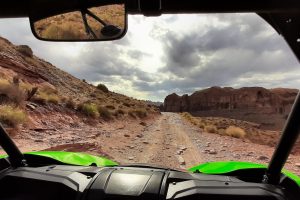
Poison Spider Mesa is one of Moab's most iconic off-road trails, known for its slickrock terrain, exciting obstacles, panoramic overlooks, and incredible desert scenery.
Is Poison Spider difficult?
The trail includes moderate to challenging slickrock obstacles, but our professional guides lead the way and help drivers navigate every section safely.
How long is the Poison Spider Tour?
Our guided Poison Spider UTV Tour lasts approximately four hours with plenty of time for scenic stops and photos.
Do we drive our own UTV?
Yes. Every group drives their own UTV while following one of our experienced guides across the trail.
What scenic views will we see?
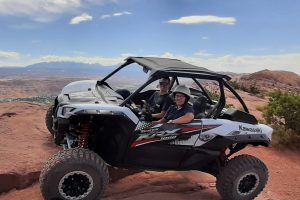
You'll enjoy incredible overlooks of the Colorado River, Moab Valley, Behind the Rocks, and the La Sal Mountains.
Is this tour good for beginners?
Yes. While the trail has exciting obstacles, beginners do well because our guides provide instruction and coaching throughout the tour.
What should I wear?
Wear comfortable outdoor clothing, closed-toe shoes, sunglasses, and sunscreen. We recommend bringing a light jacket during cooler months.
Can kids go on the tour?
Absolutely. Families love the Poison Spider Tour, and passengers of all ages enjoy the incredible scenery and adventure.
What vehicles do you use?
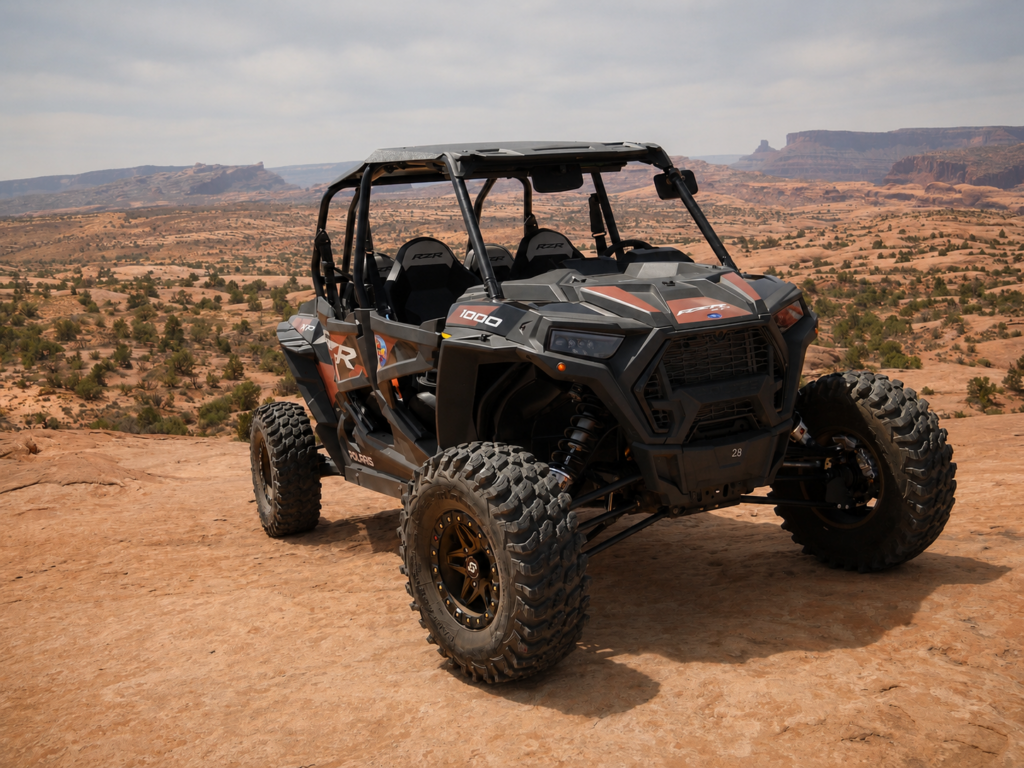
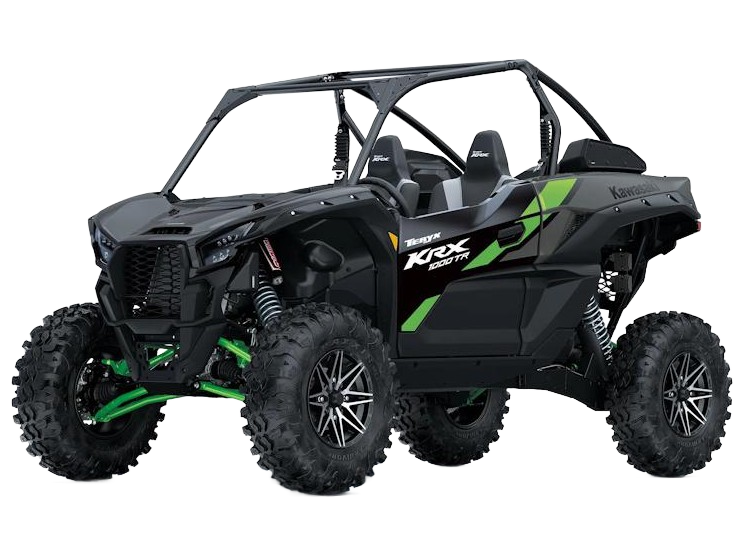
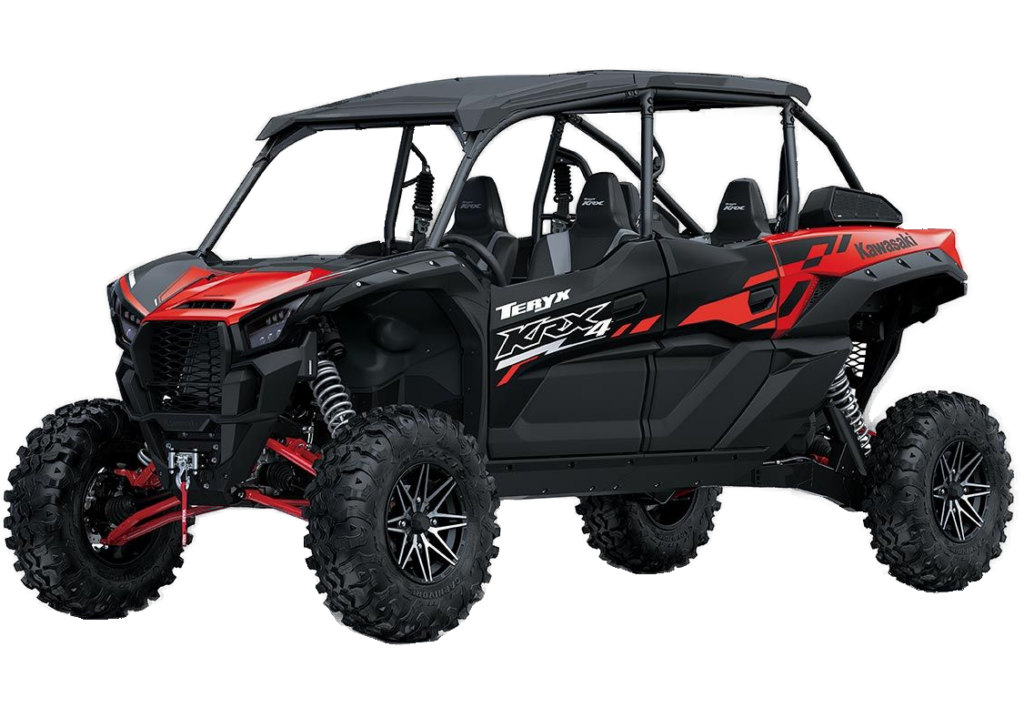
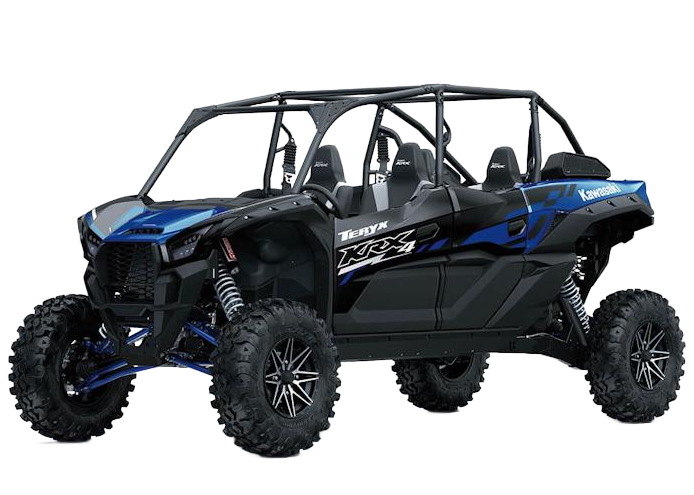
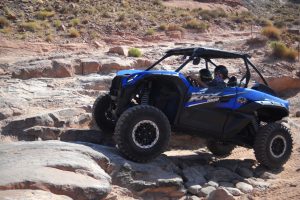
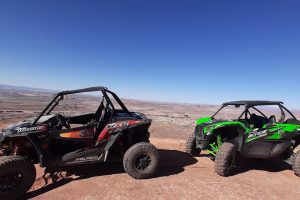
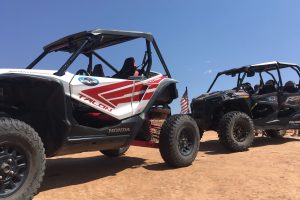
We use premium Kawasaki KRX 1000 side-by-sides that are built specifically for Moab's rugged slickrock terrain.
Why is Poison Spider so popular?
Poison Spider combines world-famous slickrock driving, spectacular overlooks, fun technical challenges, and unforgettable views, making it one of Moab's premier off-road adventures.
GUESTS LOVE THE POISON SPIDER TOUR
★★★★★
Poison Spider Mesa was the highlight of our Moab vacation. The obstacles were exciting, the scenery was unbelievable, and our guide made the experience unforgettable.
— Jason R.
Google
★★★★★
The overlook of the Colorado River, Moab Valley, and La Sal Mountains was absolutely breathtaking. Worth every minute!
— Sarah M.
Tripadvisor
★★★★★
This tour has everything—slickrock driving, incredible views, and fun technical sections. The Kawasaki KRX handled everything with ease.
— Michael T.
Google
★★★★★
Our guide was knowledgeable, patient, and made us feel comfortable the entire ride. Easily our favorite adventure in Moab.
— Amanda K.
Google
★★★★★
If you're looking for an authentic Moab off-road adventure, book Poison Spider. Amazing scenery, challenging terrain, and top-notch machines.
— David P.
Tripadvisor
★★★★★
Our guide made every obstacle feel manageable while keeping the tour exciting. Poison Spider was the perfect mix of adventure and incredible scenery.
— Brian H.
Google
★★★★★
The views overlooking the Colorado River were spectacular. This was our favorite thing we did in Moab and we'd book it again in a heartbeat.
— Lisa W.
Tripadvisor
★★★★★
Excellent equipment, knowledgeable guides, and just the right amount of challenge. Poison Spider is an unforgettable trail.
— Kevin S.
Google
★★★★★
I've been on several UTV tours, and this one stood out. The slickrock obstacles, panoramic overlooks, and friendly staff made it an amazing experience.
— Jennifer C.
Tripadvisor
★★★★★
The guides know Poison Spider inside and out. They made us feel safe, took fantastic photos, and showed us some of the best views in Moab.
— Matt D.
Google
★★★★★
The climb up the slickrock was unlike anything we've ever experienced. Every stop had incredible views, and our guide made the whole trip fun from start to finish.
— Chris M.
Google
★★★★★
Poison Spider was the perfect combination of exciting obstacles and breathtaking scenery. The overlook of the Colorado River was worth the trip alone.
— Rachel P.
Tripadvisor
★★★★★
Our family had an amazing time. The guides were patient, the UTVs were in excellent condition, and the trail offered incredible views around every corner.
— Mark T.
Google
★★★★★
We've been to Moab several times, and this was easily our favorite tour. The slickrock driving was exciting, and the scenery was absolutely stunning.
— Heather B.
Google
★★★★★
If you're looking for a true Moab adventure, this is it. Great guides, beautiful views of the La Sal Mountains, and plenty of fun technical driving along the way.
— Eric L.
Tripadvisor
★★★★★
The trail was the perfect balance of excitement and scenery. Climbing the slickrock and looking out over Moab was something we'll never forget.
— Scott R.
Google
★★★★★
This was our first time driving a UTV, and the guides made us feel confident from the start. Poison Spider exceeded every expectation.
— Melissa G.
Tripadvisor
★★★★★
Fantastic adventure! The technical sections were exciting without being overwhelming, and the panoramic views were absolutely incredible.
— Tyler H.
Google
★★★★★
We've rented UTVs before, but having a guide on Poison Spider made all the difference. We saw places we never would have found on our own.
— Karen D.
Google
★★★★★
Every turn brought another amazing view. Between the red rock cliffs, Colorado River overlooks, and fun obstacles, this tour is a must-do in Moab.
— Andrew P.
Tripadvisor
POISON SPIDER TOUR FAQ
What is the Poison Spider Mesa Trail?
Poison Spider Mesa is one of Moab's most iconic off-road trails, known for its slickrock terrain, exciting obstacles, panoramic overlooks, and incredible desert scenery.
Is Poison Spider difficult?
The trail includes moderate to challenging slickrock obstacles, but our professional guides lead the way and help drivers navigate every section safely.
How long is the Poison Spider Tour?
Our guided Poison Spider UTV Tour lasts approximately four hours with plenty of time for scenic stops and photos.
Do we drive our own UTV?
Yes. Every group drives their own UTV while following one of our experienced guides across the trail.
What scenic views will we see?
You'll enjoy incredible overlooks of the Colorado River, Moab Valley, Behind the Rocks, and the La Sal Mountains.
Is this tour good for beginners?
Yes. While the trail has exciting obstacles, beginners do well because our guides provide instruction and coaching throughout the tour.
What should I wear?
Wear comfortable outdoor clothing, closed-toe shoes, sunglasses, and sunscreen. We recommend bringing a light jacket during cooler months.
Can kids go on the tour?
Absolutely. Families love the Poison Spider Tour, and passengers of all ages enjoy the incredible scenery and adventure.
What vehicles do you use?
We use premium Kawasaki KRX 1000 side-by-sides that are built specifically for Moab's rugged slickrock terrain.
Why is Poison Spider so popular?
Poison Spider combines world-famous slickrock driving, spectacular overlooks, fun technical challenges, and unforgettable views, making it one of Moab's premier off-road adventures.
GUESTS LOVE THE
Poison Spider TOUR
Poison Spider TOUR
★★★★★
Poison Spider Mesa was the highlight of our Moab vacation. The obstacles were exciting, the scenery was unbelievable, and our guide made the experience unforgettable.
— Jason R.
Google
★★★★★
The overlook of the Colorado River, Moab Valley, and La Sal Mountains was absolutely breathtaking. Worth every minute!
— Sarah M.
Tripadvisor
★★★★★
This tour has everything—slickrock driving, incredible views, and fun technical sections. The Kawasaki KRX handled everything with ease.
— Michael T.
Google
★★★★★
Our guide was knowledgeable, patient, and made us feel comfortable the entire ride. Easily our favorite adventure in Moab.
— Amanda K.
Google
★★★★★
If you're looking for an authentic Moab off-road adventure, book Poison Spider. Amazing scenery, challenging terrain, and top-notch machines.
— David P.
Tripadvisor
★★★★★
Our guide made every obstacle feel manageable while keeping the tour exciting. Poison Spider was the perfect mix of adventure and incredible scenery.
— Brian H.
Google
★★★★★
The views overlooking the Colorado River were spectacular. This was our favorite thing we did in Moab and we'd book it again in a heartbeat.
— Lisa W.
Tripadvisor
★★★★★
Excellent equipment, knowledgeable guides, and just the right amount of challenge. Poison Spider is an unforgettable trail.
— Kevin S.
Google
★★★★★
I've been on several UTV tours, and this one stood out. The slickrock obstacles, panoramic overlooks, and friendly staff made it an amazing experience.
— Jennifer C.
Tripadvisor
★★★★★
The guides know Poison Spider inside and out. They made us feel safe, took fantastic photos, and showed us some of the best views in Moab.
— Matt D.
Google
★★★★★
The climb up the slickrock was unlike anything we've ever experienced. Every stop had incredible views, and our guide made the whole trip fun from start to finish.
— Chris M.
Google
★★★★★
Poison Spider was the perfect combination of exciting obstacles and breathtaking scenery. The overlook of the Colorado River was worth the trip alone.
— Rachel P.
Tripadvisor
★★★★★
Our family had an amazing time. The guides were patient, the UTVs were in excellent condition, and the trail offered incredible views around every corner.
— Mark T.
Google
★★★★★
We've been to Moab several times, and this was easily our favorite tour. The slickrock driving was exciting, and the scenery was absolutely stunning.
— Heather B.
Google
★★★★★
If you're looking for a true Moab adventure, this is it. Great guides, beautiful views of the La Sal Mountains, and plenty of fun technical driving along the way.
— Eric L.
Tripadvisor
★★★★★
The trail was the perfect balance of excitement and scenery. Climbing the slickrock and looking out over Moab was something we'll never forget.
— Scott R.
Google
★★★★★
This was our first time driving a UTV, and the guides made us feel confident from the start. Poison Spider exceeded every expectation.
— Melissa G.
Tripadvisor
★★★★★
Fantastic adventure! The technical sections were exciting without being overwhelming, and the panoramic views were absolutely incredible.
— Tyler H.
Google
★★★★★
We've rented UTVs before, but having a guide on Poison Spider made all the difference. We saw places we never would have found on our own.
— Karen D.
Google
★★★★★
Every turn brought another amazing view. Between the red rock cliffs, Colorado River overlooks, and fun obstacles, this tour is a must-do in Moab.
— Andrew P.
Tripadvisor
Poison Spider TOUR FAQ
What is the Poison Spider Mesa Trail?
Poison Spider Mesa is one of Moab's most iconic off-road trails, known for its slickrock terrain, exciting obstacles, panoramic overlooks, and incredible desert scenery.
Is Poison Spider difficult?
The trail includes moderate to challenging slickrock obstacles, but our professional guides lead the way and help drivers navigate every section safely.
How long is the Poison Spider Tour?
Our guided Poison Spider UTV Tour lasts approximately four hours with plenty of time for scenic stops and photos.
Do we drive our own UTV?
Yes. Every group drives their own UTV while following one of our experienced guides across the trail.
What scenic views will we see?
You'll enjoy incredible overlooks of the Colorado River, Moab Valley, Behind the Rocks, and the La Sal Mountains.
Is this tour good for beginners?
Yes. While the trail has exciting obstacles, beginners do well because our guides provide instruction and coaching throughout the tour.
What should I wear?
Wear comfortable outdoor clothing, closed-toe shoes, sunglasses, and sunscreen. We recommend bringing a light jacket during cooler months.
Can kids go on the tour?
Absolutely. Families love the Poison Spider Tour, and passengers of all ages enjoy the incredible scenery and adventure.
What vehicles do you use?
We use premium Kawasaki KRX 1000 side-by-sides that are built specifically for Moab's rugged slickrock terrain.
Why is Poison Spider so popular?
Poison Spider combines world-famous slickrock driving, spectacular overlooks, fun technical challenges, and unforgettable views, making it one of Moab's premier off-road adventures.